How to Speak the Language of Aesthetic Providers
Strong aesthetic sales conversations start with fluency in the priorities, pressures, and terminology providers use every day. Learn how to communicate with more credibility, clarity, and professionalism.

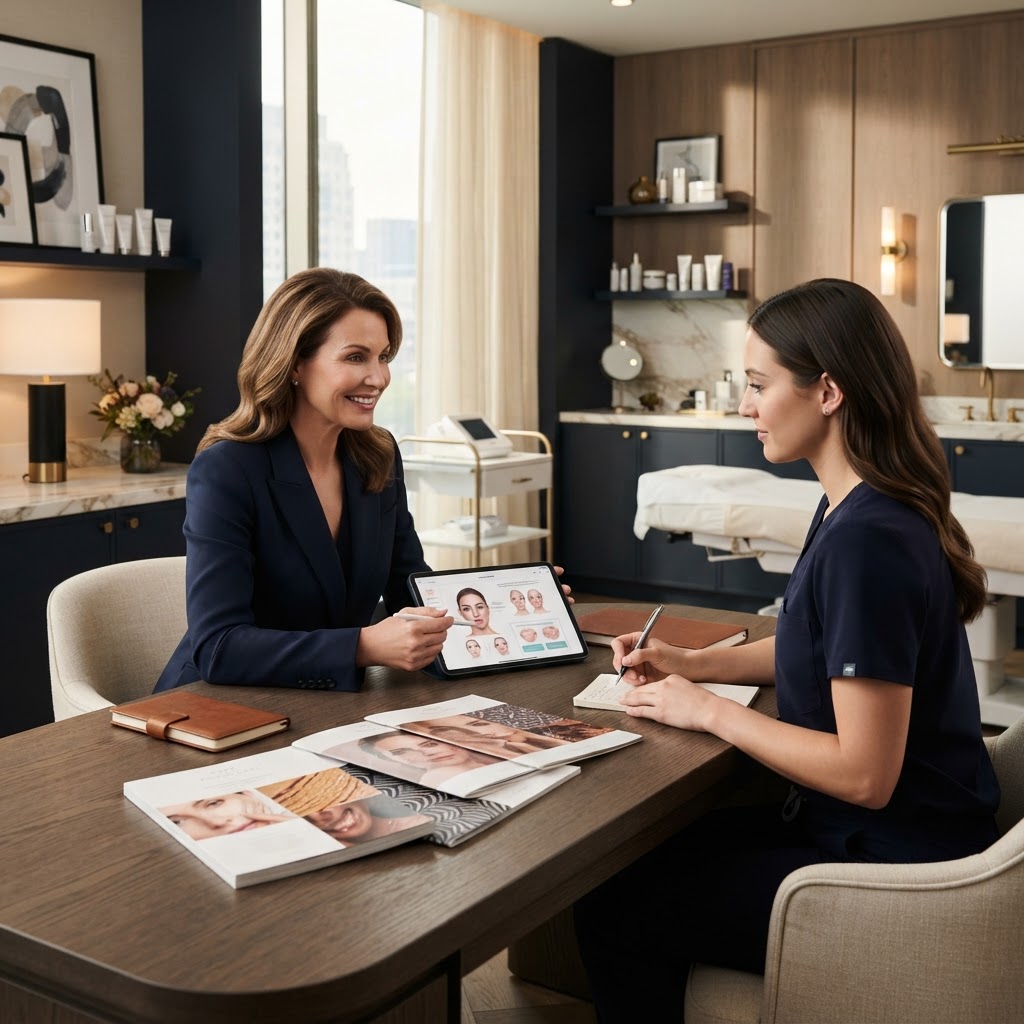
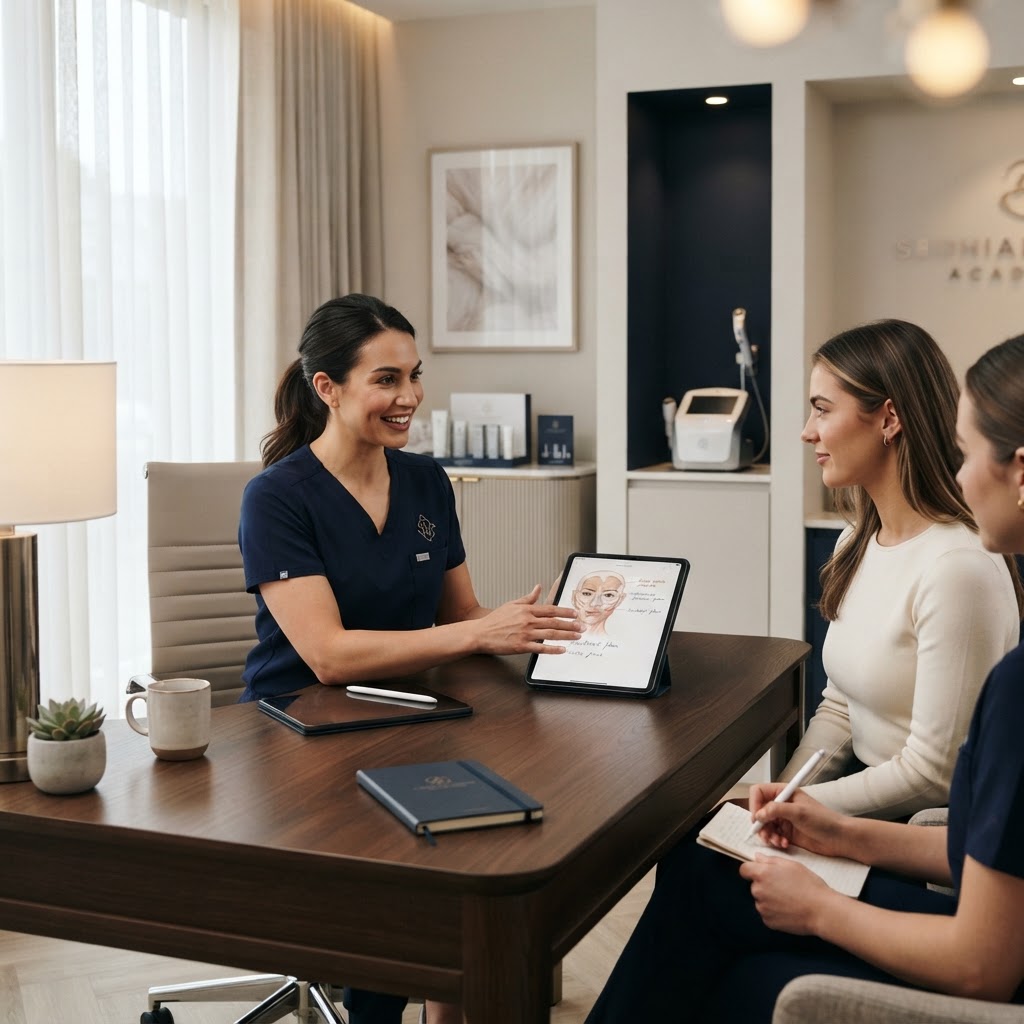
In aesthetic sales, credibility is often established long before a product demo or pricing discussion begins. The way you communicate with providers shapes how they perceive your professionalism, preparation, and value. If you want to speak to aesthetic providers effectively, you need more than product knowledge. You need to understand their clinical mindset, operational realities, patient experience standards, and business goals.
For sales professionals, practice consultants, coordinators, and growth-minded medspa teams, this skill can improve the quality of conversations and create more productive partnerships. It is not about trying to sound clinical or using jargon for effect. It is about communicating with accuracy, respect, and relevance.
If you are building a stronger foundation in aesthetic sales communication, explore the Aesthetic Sales Institute homepage and browse additional insights on the blog.
Why Speaking the Provider's Language Matters
Aesthetic providers operate in a high-trust environment. Their work involves patient safety, treatment planning, outcomes, scheduling efficiency, team coordination, and reputation management. Because of this, they tend to evaluate conversations through a very specific lens: Is this relevant, is this accurate, and will this help the practice serve patients well?
When sales professionals fail to communicate in a way that aligns with that lens, even a strong offering can be dismissed quickly. On the other hand, when you understand how providers think, you are better positioned to ask smarter questions, tailor your message, and build trust.
This matters for several reasons:
- Providers are balancing clinical standards with business performance.
- Medspas need solutions that support patient experience, not just revenue.
- Time is limited, so communication must be concise and meaningful.
- Ethical alignment matters in a relationship-driven specialty.
Learning to speak the language of aesthetic providers helps you move from being seen as a vendor to being viewed as a knowledgeable professional resource.
Understand the Provider's Priorities Before You Pitch
One of the fastest ways to improve communication is to stop leading with your product and start with the provider's world.
Clinical credibility and patient appropriateness
Providers are trained to think in terms of candidacy, contraindications, treatment planning, and outcomes. Even if your role is non-clinical, you should understand that they are evaluating whether something fits appropriately into a patient journey.
This does not mean giving medical guidance. It means framing your communication in ways that respect clinical decision-making. For example, instead of saying, "This works for everyone," a more credible statement would be, "Many practices position this for appropriate candidates as part of a broader treatment plan."
Workflow and operational efficiency
Aesthetic practices care deeply about how a new product, service, or process fits into daily operations. If implementation creates confusion at the front desk, slows room turnover, complicates charting, or increases follow-up burden, providers will notice.
Ask questions like:
- How does this fit into your current consultation flow?
- What does team adoption typically look like in your practice?
- Are there scheduling or operational considerations that matter most to you?
These questions show that you understand practice realities beyond the treatment room.
Brand reputation and patient experience
Providers also think about how decisions affect trust, retention, reviews, referrals, and overall brand perception. In aesthetics, patient experience is part of the product. Language that feels pushy, vague, or overly promotional can create resistance.
When you speak with sensitivity to the patient journey, your conversations become more aligned with the provider's standards.
Learn the Core Terminology Without Overusing It
To speak to aesthetic providers well, you need fluency, not performance. Using the right terminology appropriately helps establish trust. Overusing technical language can make you sound forced or imprecise.
Terms worth understanding
Depending on your role, common categories of language may include:
- Consultation and conversion
- Treatment plans and series recommendations
- Patient candidacy
- Downtime and recovery expectations
- Maintenance protocols
- Retail attachment and home care compliance
- Rebooking and retention
- Average ticket and package utilization
- Front-end experience and coordinator handoff
You do not need to use every term in every conversation. The goal is to understand what these concepts mean in the context of a medspa or aesthetic practice.
Match your language to the audience
A medical director, injector, practice manager, and patient coordinator may all care about the same solution for different reasons. Your wording should reflect that.
For example:
- With a provider: focus on appropriateness, patient communication, and integration into treatment planning.
- With a manager: focus on team consistency, workflow, and performance visibility.
- With a coordinator: focus on scheduling, consultation flow, and patient understanding.
This kind of communication shows maturity and situational awareness.
Ask Better Questions to Build Better Conversations
Strong communication in aesthetic sales is often question-driven. Providers do not need a generic presentation. They need thoughtful dialogue.
Replace broad questions with precise ones
Instead of asking, "What are your goals?" try:
- Which services are a priority for growth this quarter?
- Where do you see the biggest drop-off in the consultation journey?
- How does your team currently present treatment series or membership options?
- What tends to create hesitation for patients during decision-making?
These questions help uncover details that lead to more relevant recommendations.
Listen for clinical and business signals
Providers may describe a challenge in one area that actually reflects a problem in another. For example, a provider who says, "We need more bookings," may really be struggling with consultation consistency, patient education, or follow-up systems.
When you listen carefully, you can respond in a way that demonstrates understanding. That is how trust is built in professional sales conversations.
For more guidance on improving communication and conversion in aesthetics, visit the latest articles on our blog.
Translate Features Into Practice-Relevant Value
One of the most important skills in aesthetic sales is connecting what you offer to what the practice actually experiences.
Move beyond feature lists
A provider rarely needs a long list of specifications without context. They need to understand what those features mean for patients, team workflow, and business performance.
For example:
-
Feature: customizable protocols
-
Better translation: allows the practice to adapt implementation within its existing consultation and treatment planning process
-
Feature: patient financing integration
-
Better translation: may reduce friction for appropriate candidates who are considering larger treatment plans or series commitments
-
Feature: staff training support
-
Better translation: helps create more consistent team messaging across consultation, checkout, and follow-up
Practical example
Imagine you are discussing a new retail system with a medspa owner. A weak approach might be: "Our platform increases sales and is easy to use."
A stronger approach would be: "Many aesthetic practices use this to support more consistent home care conversations after treatment, which can improve the patient experience and help coordinators feel more confident during checkout."
This second version is more relevant, more grounded, and more aligned with how aesthetic teams think.
Align Your Tone With the Standards of the Industry
The aesthetics space blends medicine, hospitality, luxury branding, and consumer decision-making. Your tone should reflect that balance.
Be polished, not overly casual
Professionalism matters. Providers are often receptive to warmth and confidence, but not to slang, pressure tactics, or hype-driven language. Keep your communication clear, respectful, and elevated.
Be confident, not overstated
Avoid language that sounds absolute or unrealistic. Instead of making guarantees, use grounded phrasing such as:
- "Practices often find"
- "This may support"
- "A common use case is"
- "Depending on your workflow"
This keeps your messaging ethical and credible.
Be collaborative, not transactional
Aesthetic providers usually prefer conversations that feel like professional collaboration. Position yourself as someone who wants to understand, support, and contribute thoughtfully.
If you are developing these skills as part of your career path, the Aesthetic Sales Institute is designed to help professionals elevate their communication and sales strategy in this specialized field.
Common Mistakes When Trying to Speak to Aesthetic Providers
Even experienced sales professionals can lose credibility through avoidable missteps. Watch for these common mistakes:
Using clinical terms inaccurately
If you are unsure how a term is used, learn it before using it in a live conversation. Inaccurate terminology can create immediate doubt.
Talking too much about the product
Providers want relevance, not a monologue. If most of your conversation is about your offering rather than their environment, you are likely missing the mark.
Ignoring the non-clinical team
Many decisions are influenced by practice managers, coordinators, and front desk leaders. Failing to address their role in adoption can weaken your message.
Sounding overly promotional
In the aesthetics industry, premium positioning does not come from hype. It comes from clarity, discretion, and substance.
Forgetting the patient journey
If your messaging does not connect back to patient understanding, experience, and trust, it may feel incomplete to the provider.
Action Steps to Improve How You Communicate
If you want to get better at speaking the language of aesthetic providers, focus on deliberate practice.
1. Study the patient journey
Map how a patient moves from inquiry to consultation, treatment, checkout, and follow-up. This helps you frame conversations in a way that feels relevant to the practice.
2. Build a working vocabulary
Create a list of common medspa and aesthetic sales terms. Learn what they mean operationally, not just conceptually.
3. Refine your discovery questions
Prepare questions for providers, managers, and coordinators separately. Better questions lead to better conversations.
4. Audit your language
Review your emails, scripts, and talking points. Remove vague claims, overly broad statements, and language that sounds too sales-heavy.
5. Practice translating value
Take each feature of your offer and explain it in terms of workflow, patient communication, team confidence, or business consistency.
Final Thoughts
To speak to aesthetic providers effectively, you need a combination of industry fluency, emotional intelligence, ethical sales discipline, and practical business awareness. This is a relationship-driven field where communication quality matters. When your language reflects how providers actually think and operate, your conversations become more credible and more productive.
If you want to sharpen your aesthetic sales skills with a premium, industry-specific training approach, join the Aesthetic Sales Institute prelaunch list and get 20% off at launch. Visit the homepage to learn more and stay connected through the blog.