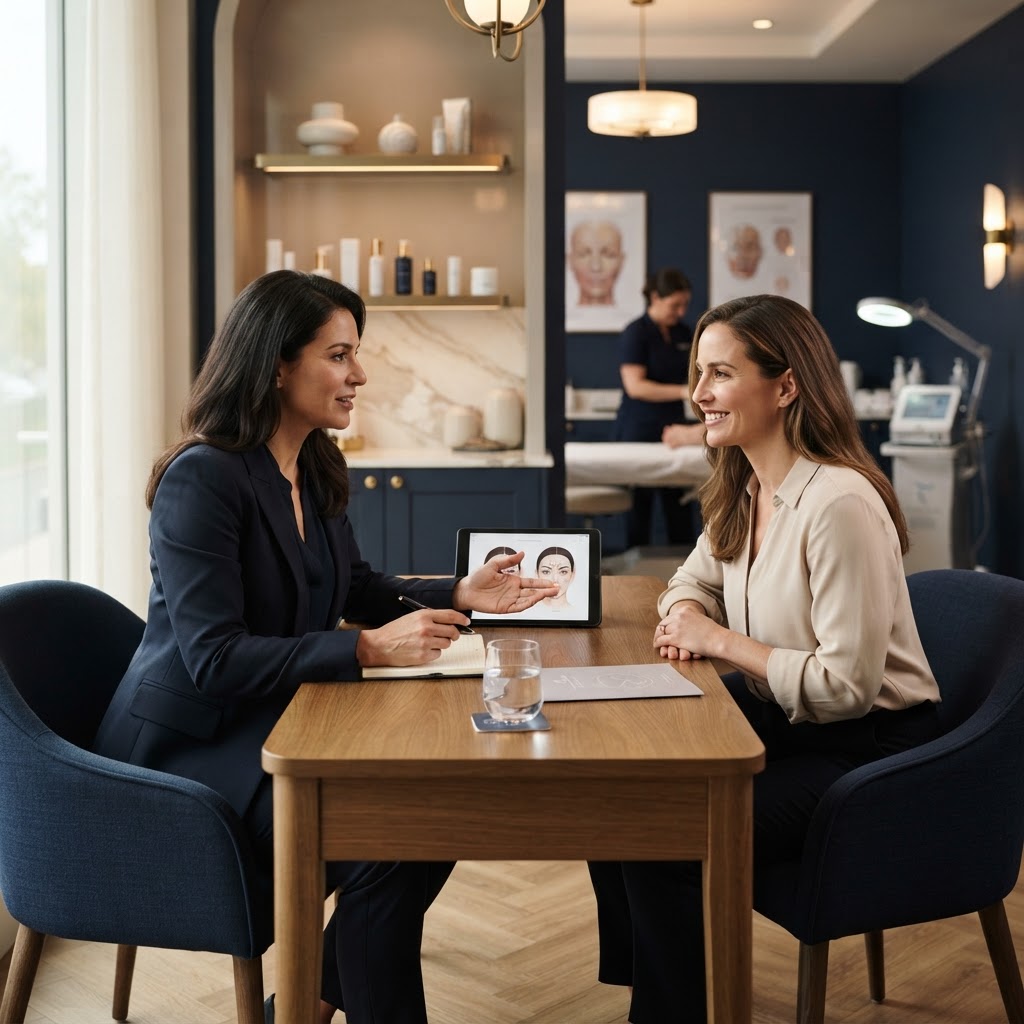
What Patients Need to Hear Before Booking Treatments
Strong patient communication before aesthetic treatments builds trust, reduces confusion, and supports better booking decisions. Here is what medspa teams should communicate clearly and ethically before a patient commits.
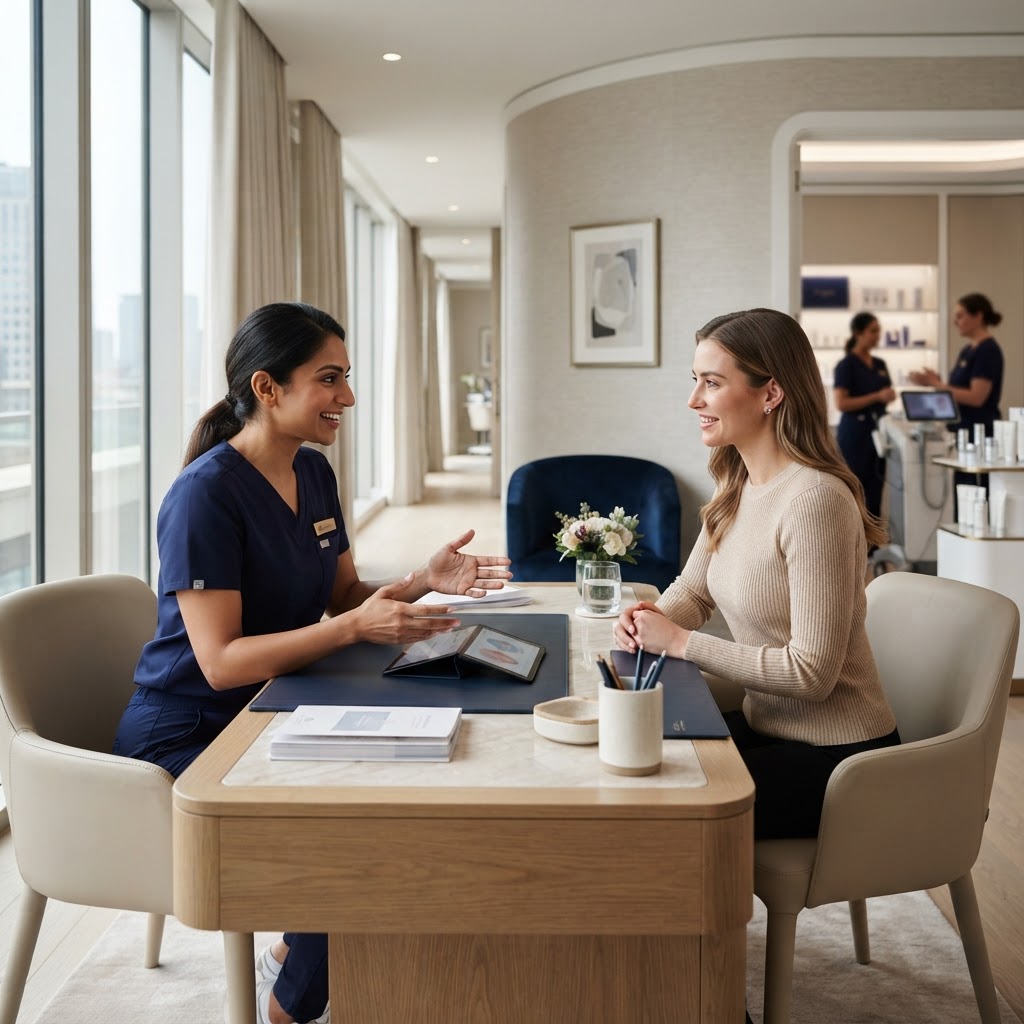
Clear communication before a patient books is one of the most important drivers of trust in any aesthetic practice. Patients are not just evaluating a treatment, they are evaluating the professionalism, transparency, and credibility of the team guiding them. When conversations are rushed, vague, or overly promotional, even interested patients may hesitate. When communication is thoughtful and clear, patients are more likely to feel informed, respected, and confident in their next step.
For medspas and aesthetic sales professionals, effective patient communication aesthetic treatments is not about persuading someone into a procedure. It is about helping the right patient understand what the experience involves, what questions to consider, and how to make an informed decision. That standard protects the patient experience and strengthens the business long term.
Why This Topic Matters
In aesthetics, the booking decision is highly emotional and highly practical at the same time. A patient may feel excited about improving a concern, while also feeling nervous about cost, discomfort, downtime, or whether the treatment is even appropriate for their goals. If your team only focuses on enthusiasm and does not address uncertainty, trust can erode quickly.
Strong pre-booking communication matters because it helps practices:
- Set realistic expectations early
- Reduce confusion and prevent last-minute cancellations
- Support ethical decision-making
- Improve consultation quality and treatment readiness
- Create a more premium patient experience
This is especially important for practices that want to stand out in a crowded market. Premium patient communication is not just polished language. It is the ability to make patients feel informed, never pressured. Resources from the Aesthetic Sales Institute and ongoing education through the practice blog can help teams refine this skill in a way that supports both patient care and practice performance.
1. Patients Need Clarity on Whether the Treatment Fits Their Goal
Before booking, patients need to hear an honest explanation of what the treatment is intended to address and whether it aligns with their stated concern. Many booking breakdowns happen because patients think they are purchasing a result, when in reality they are scheduling a process that may or may not be the best fit.
Lead with the goal, not the menu
Instead of starting with a list of services, start by clarifying what the patient wants to improve. A more effective conversation sounds like this:
- What would you like to address?
- What have you tried before?
- What kind of outcome are you hoping for?
This approach shifts the discussion from selling treatments to understanding goals.
Be transparent about fit
If a treatment may not be ideal for the concern described, patients need to hear that clearly. Ethical communication builds trust when teams say, in professional language, that a full consultation is needed to determine suitability and that not every service is right for every patient.
2. Patients Need Realistic Expectations, Not Perfect Promises
One of the fastest ways to lose credibility is to overstate what a treatment can do. Patients should hear realistic, balanced language before they book. That includes the purpose of the treatment, the typical process, and the fact that results and experiences vary.
Explain the experience in plain language
Patients often need help understanding what the appointment may involve, how many visits may be recommended, and whether there may be social downtime or schedule considerations. This does not require giving medical advice. It means providing practical, non-exaggerated context.
Useful phrases include:
- The consultation will help determine the best approach for your goals.
- Many patients benefit from a treatment plan rather than a single appointment.
- Timing, preparation, and recovery considerations can vary by service.
Replace hype with confidence
Premium communication sounds calm, specific, and responsible. Avoid language that implies certainty, instant transformation, or guaranteed satisfaction. In aesthetic sales, professionalism often converts better than excitement alone because it makes patients feel safer making a decision.
3. Patients Need Transparency About Investment and Process
Price objections are often communication objections in disguise. Patients do not always resist the investment itself. They resist uncertainty around what is included, why it costs what it costs, and what the next steps will be.
Discuss value with structure
Before booking, patients should understand:
- Whether they are booking a consultation, treatment, or both
- What fees or deposits may apply
- Whether treatment plans are customized
- What follow-up or scheduling steps may be involved
A clear financial conversation reduces friction and helps patients feel respected.
Avoid vague language around packages and promotions
If your practice offers memberships, bundles, or promotional offers, explain them carefully. Patients should never feel surprised by limitations, expiration details, or eligibility requirements. Transparent communication supports long-term retention and reduces post-booking frustration.
For teams working to elevate this area, ongoing sales and service training through the Aesthetic Sales Institute can help standardize how value is communicated across the patient journey.
4. Patients Need to Know Their Role in the Outcome
Aesthetic treatments are not passive consumer purchases. Patients need to hear that preparation, timing, adherence to provider instructions, and lifestyle considerations can all influence the experience.
Position the patient as an active participant
When patients understand their role before booking, they are more likely to show up prepared, ask better questions, and follow through appropriately. This can improve satisfaction because the experience feels more intentional from the start.
Helpful pre-booking language may include:
- Your consultation is the best time to discuss timing, suitability, and preparation.
- Following pre and post appointment instructions is an important part of the process.
- If you have upcoming events or travel, let the team know so scheduling can be discussed appropriately.
Reinforce informed decision-making
Patients should feel free to pause, ask questions, and decide when they are ready. Practices that communicate this openly often create more trust and stronger conversion over time than practices that rely on urgency alone.
Practical Examples of Strong Pre-Booking Communication
Here are a few examples of how aesthetic teams can communicate more effectively before booking:
Example 1: The first-time patient inquiry
Instead of saying, "This treatment is perfect for you," try:
"The best next step is a consultation so we can understand your goals and determine whether this treatment is the right fit for you. We can also review what the appointment process may look like and answer your questions."
Example 2: The price-focused caller
Instead of jumping straight to a number, try:
"Pricing can vary depending on your goals and treatment plan. We can certainly review starting ranges, and your consultation will help clarify what is appropriate and what investment to expect."
Example 3: The patient seeking immediate results
Instead of reinforcing urgency, try:
"It is important to match your timeline with the right treatment approach. During the consultation, the provider can discuss what may be realistic for your goals and timing."
These examples reflect stronger patient communication aesthetic treatments because they guide the patient without overpromising.
Common Mistakes Medspa Teams Should Avoid
Even experienced teams can unintentionally create confusion before booking. Common mistakes include:
Talking about treatments before understanding goals
When the conversation starts with a service recommendation instead of a patient concern, the interaction can feel transactional.
Overexplaining technical details too early
Patients usually need clarity more than complexity. Too much jargon can overwhelm rather than reassure.
Avoiding the investment conversation
Hesitating around pricing or process can make patients feel that information is being withheld.
Using pressure-based language
Statements that create urgency without context can damage trust, especially in elective aesthetics.
Failing to confirm next steps
Patients should leave the conversation knowing exactly what happens next, whether that is booking a consultation, completing forms, or preparing questions.
More communication strategies like these can be found in the latest industry articles, especially for teams building a more consistent consultation experience.
Action Steps for Aesthetic Practices
If your team wants to improve pre-booking conversations, start with these steps:
1. Audit your current scripts
Review how your front desk, coordinators, and patient care team currently discuss goals, treatment fit, pricing, and expectations.
2. Standardize ethical language
Create approved phrases that support clarity, professionalism, and compliance. This helps reduce mixed messaging across the team.
3. Train for questions, not just objections
The strongest teams do not just learn how to respond to resistance. They learn how to invite better questions from patients early in the conversation.
4. Make the consultation the hero
Position the consultation as a valuable step in decision-making, not as a hurdle before treatment.
5. Measure communication outcomes
Track no-shows, consultation conversion, cancellations, and common pre-booking questions. These patterns often reveal exactly where communication needs to improve.
Final Thoughts
What patients need to hear before booking aesthetic treatments is not a polished pitch. It is honest guidance, clear expectations, transparent process, and reassurance that their goals will be taken seriously. In a premium aesthetic practice, communication should help patients feel informed and supported, never rushed.
When teams master patient communication aesthetic treatments, they elevate more than conversion. They improve trust, strengthen brand reputation, and create a more ethical patient journey from the very first interaction.
If you want to sharpen your team's consultation and communication skills, join the Aesthetic Sales Institute prelaunch list and get 20% off at launch. Visit the Aesthetic Sales Institute homepage to learn more and secure your spot.