How to Create a Better Patient Journey in a Medspa
A strong medspa patient journey improves trust, communication, and long-term retention. Learn how to build a smoother experience from first inquiry to follow-up.
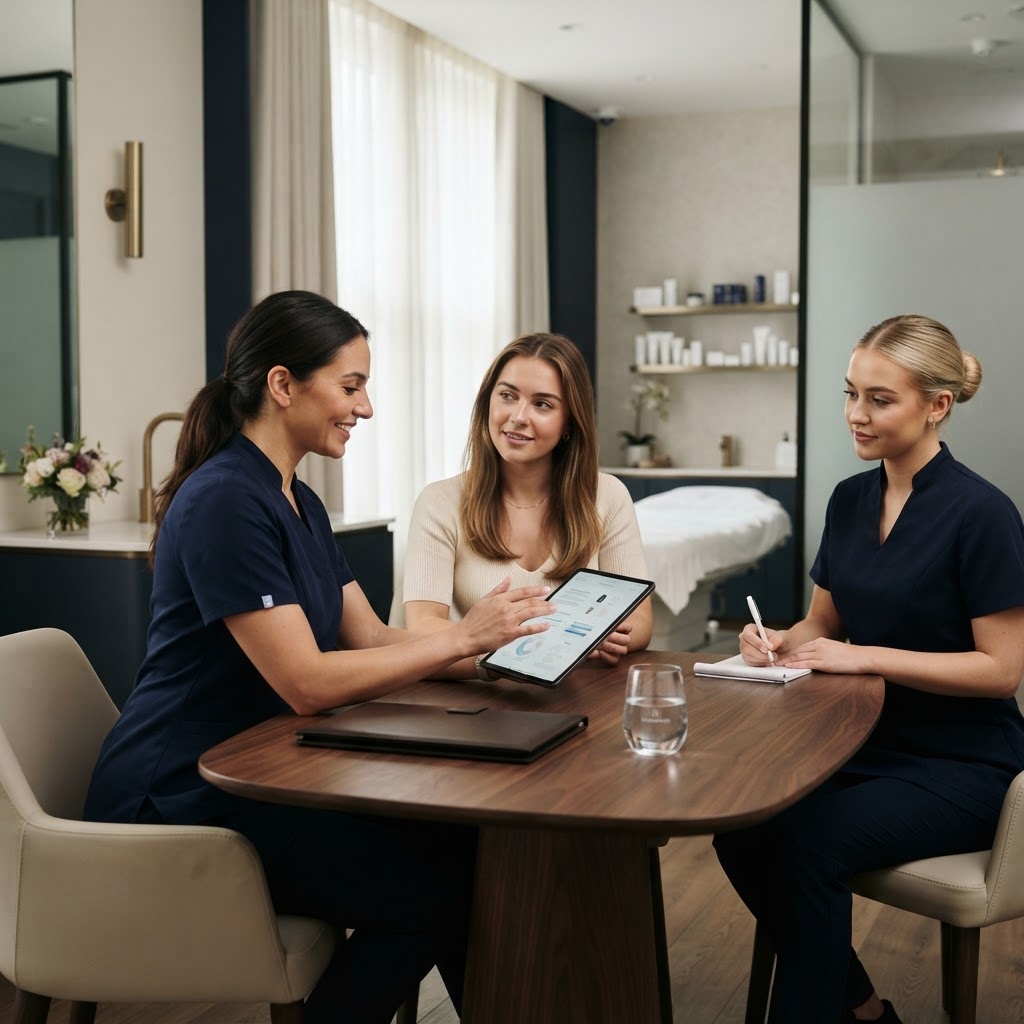
The medspa patient journey is more than a series of appointments. It is the complete experience a patient has with your brand, from the first website visit to long-term follow-up and retention. In a competitive aesthetics market, patients are not only evaluating treatments, they are evaluating clarity, professionalism, trust, and how well your team helps them make confident decisions. A better journey supports stronger patient relationships, more consistent conversions, and a more polished brand experience overall.
Why the Medspa Patient Journey Matters
A thoughtful patient journey helps medspas operate at a higher standard. It improves the patient experience, supports ethical sales conversations, and creates more consistency across the team.
When the journey is unclear, patients often feel overwhelmed, rushed, or uncertain. That uncertainty can show up as missed appointments, lower treatment acceptance, poor retention, or inconsistent reviews. In contrast, when each touchpoint feels intentional, patients are more likely to move forward because they understand what to expect and feel respected throughout the process.
For medspa owners, managers, patient coordinators, and consultants, this matters because growth is rarely driven by one strong consultation alone. Growth comes from a repeatable system that makes the experience feel seamless before, during, and after treatment.
If your team is focused on sustainable performance, professional communication, and premium service, the patient journey should be a core business priority. You can explore more training insights through the Aesthetic Sales Institute homepage and additional strategy articles on the blog.
Start the Journey Before the First Appointment
Many teams think the patient journey begins when a patient walks through the door. In reality, it starts much earlier.
Make the first impression clear and reassuring
Your website, social channels, online booking flow, and front desk communication all shape early trust. Patients want answers to simple but important questions:
- What services do you offer?
- Who is the best fit for a consultation?
- What will happen at the first visit?
- How should they prepare?
- What are the next steps after the appointment?
When this information is vague or inconsistent, patients may enter the consultation already confused. Clear messaging helps reduce friction and prepares them for a productive conversation.
Improve speed and consistency in lead response
A premium patient experience does not mean being overly scripted, but it does require consistency. Inquiry response times, tone of communication, and scheduling follow-up all matter.
A strong process may include:
- Responding to leads within a defined timeframe
- Using a friendly, professional call or text framework
- Confirming appointment details clearly
- Sending intake forms in advance
- Sharing simple expectations for the consultation
These early steps set the tone. They tell the patient that your team is organized, attentive, and prepared.
Make the Consultation Clear, Personalized, and Ethical
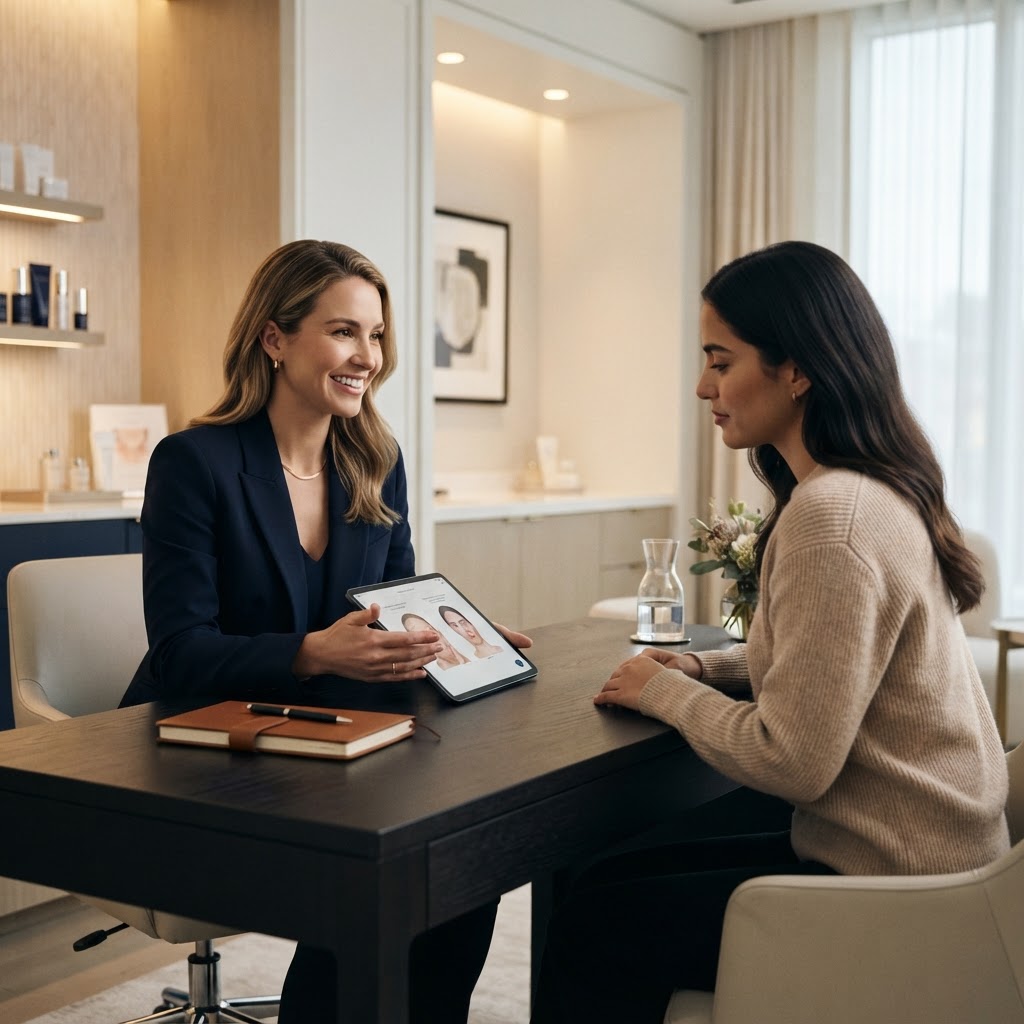
The consultation is often the most important stage of the medspa patient journey because it turns interest into trust.
Focus on patient goals, not just procedures
Patients usually arrive with a mix of motivations, questions, and concerns. Some know exactly what they want. Others only know the outcome they hope to achieve. A strong consultation helps uncover both.
Instead of jumping straight into features or pricing, guide the conversation with structure:
- Ask about goals and priorities
- Clarify previous treatment history
- Explore expectations and concerns
- Explain realistic options in simple language
- Confirm understanding before discussing next steps
This approach strengthens treatment plan communication and helps patients feel heard, not sold.
Reduce confusion with a clear treatment plan
One of the most common reasons patients delay moving forward is not always price. Often, it is confusion. If a patient hears multiple options, timelines, and recommendations without a clear framework, decision fatigue can take over.
An effective treatment plan should feel easy to follow. It should explain:
- What is recommended now
- What may be appropriate later
- Why the sequence matters
- What the patient can expect operationally
- What the next decision point is
This is where medspa sales training can make a major difference. Teams that communicate plans clearly tend to create more confidence without applying pressure.
Design the In-Visit Experience Around Trust and Continuity
A polished consultation matters, but the rest of the visit matters too. Every handoff either strengthens or weakens the overall experience.
Align the team around one patient story
Patients should not need to repeat themselves at every stage of the appointment. Front desk, coordinator, consultant, and provider should all understand the purpose of the visit and key patient concerns.
That continuity creates emotional ease. It also reflects strong internal systems.
Simple ways to improve continuity include:
- Shared notes before provider handoff
- Standardized documentation of goals and objections
- Clear ownership of follow-up tasks
- Consistent language when discussing the treatment plan
Support a premium experience with operational clarity
Patients notice details. They notice whether the appointment starts on time, whether the room feels prepared, whether pricing is explained professionally, and whether checkout feels rushed.
A premium medspa patient journey is not built only through luxury design. It is built through calm, organized execution.
That includes:
- Smooth check-in and check-out
- Confident answers to common questions
- Minimal repetition or mixed messaging
- Clear next steps before the patient leaves
Extend the Journey After Treatment
Many medspas invest heavily in attracting patients, then lose momentum after the appointment. This is where retention opportunities are often missed.
Follow-up should feel supportive, not transactional
Post-visit communication is a critical part of patient experience in a medspa. It reassures the patient, reinforces professionalism, and keeps the relationship active.
Depending on the service and your practice protocols, follow-up may include:
- A check-in message after the visit
- Home care or preparation reminders, when appropriate
- Follow-up scheduling support
- Education about the next phase of the treatment plan
- Re-engagement outreach for patients who did not book next steps
When follow-up is timely and thoughtful, patients are more likely to stay connected to the practice.
Build retention through education and timing
Retention is rarely the result of random reminder messages. It is usually the result of good communication across the entire journey.
Patients return when they understand:
- The value of continuity n- The purpose of phased treatment planning
- How future appointments support their goals
- Why your team is recommending the next step
This is one reason many high-performing practices invest in better systems, coaching, and team development through resources like the medspa business education available here.
Practical Examples of a Better Patient Journey
Here are a few practical examples of how small process changes can improve results.
Example 1: Better pre-consultation preparation
A patient books online for a facial aesthetic consultation. Before the visit, the medspa sends a confirmation text, a short welcome email, digital forms, and a simple note explaining what will happen during the appointment. The patient arrives informed and less anxious.
Example 2: Stronger consultation structure
A patient coordinator begins by asking about goals, event timing, and previous experience rather than immediately discussing treatment menus. The provider receives clear notes, which allows the conversation to feel personalized and efficient.
Example 3: Clearer next steps at checkout
After the consultation, the team reviews the recommended sequence, estimated timing, and the next best appointment. The patient leaves with clarity rather than uncertainty.
Example 4: Smarter follow-up for non-converters
If a patient does not book the same day, the practice follows up with a helpful summary and an invitation to ask questions. The tone remains consultative and respectful, which preserves trust and improves future conversion potential.
Common Mistakes That Weaken the Patient Journey
Even experienced medspas can unintentionally create friction. Common issues include:
- Treating each appointment stage as separate instead of connected
- Leading with treatments instead of patient goals
- Overloading patients with too many options at once
- Using inconsistent language across team members
- Failing to document concerns, objections, or next steps
- Neglecting follow-up after consultations or treatments
- Making checkout feel rushed or purely financial
These mistakes do not always come from poor intent. Often, they result from rapid growth, inconsistent training, or unclear ownership across the team.
Action Steps to Improve Your Patient Journey This Month
If you want to strengthen your medspa patient journey, start with a simple audit.
1. Map the full journey
Write out every patient touchpoint from first inquiry to post-treatment follow-up. Identify where confusion, delays, or drop-off tend to happen.
2. Standardize key conversations
Create frameworks for inquiry calls, consultation flow, treatment plan presentation, and follow-up communication. Structure creates consistency without removing authenticity.
3. Review your handoffs
Evaluate how information moves between front desk, coordinator, provider, and checkout. Smooth handoffs create a more premium experience.
4. Simplify next steps
At every stage, ask: does the patient know what happens next? If the answer is not obvious, your process likely needs refinement.
5. Train the team continuously
Patient experience and ethical sales performance improve when communication skills are developed intentionally, not assumed.
Elevate the Experience, Elevate the Business
A better medspa patient journey is not about adding pressure or complexity. It is about creating a clear, supportive, and professional path that helps patients feel informed at every step. When your team communicates well, stays aligned, and follows through consistently, the entire practice becomes stronger.
If you want to build a more confident, conversion-ready medspa team, join the Aesthetic Sales Institute prelaunch list and get 20% off at launch. Visit the homepage to learn more and stay updated on upcoming training and resources.