How to Train a Medspa Team on Sales Communication
Strong sales communication helps medspa teams create a more consistent, professional patient experience. Here is a practical framework for training your team with confidence, ethics, and measurable standards.
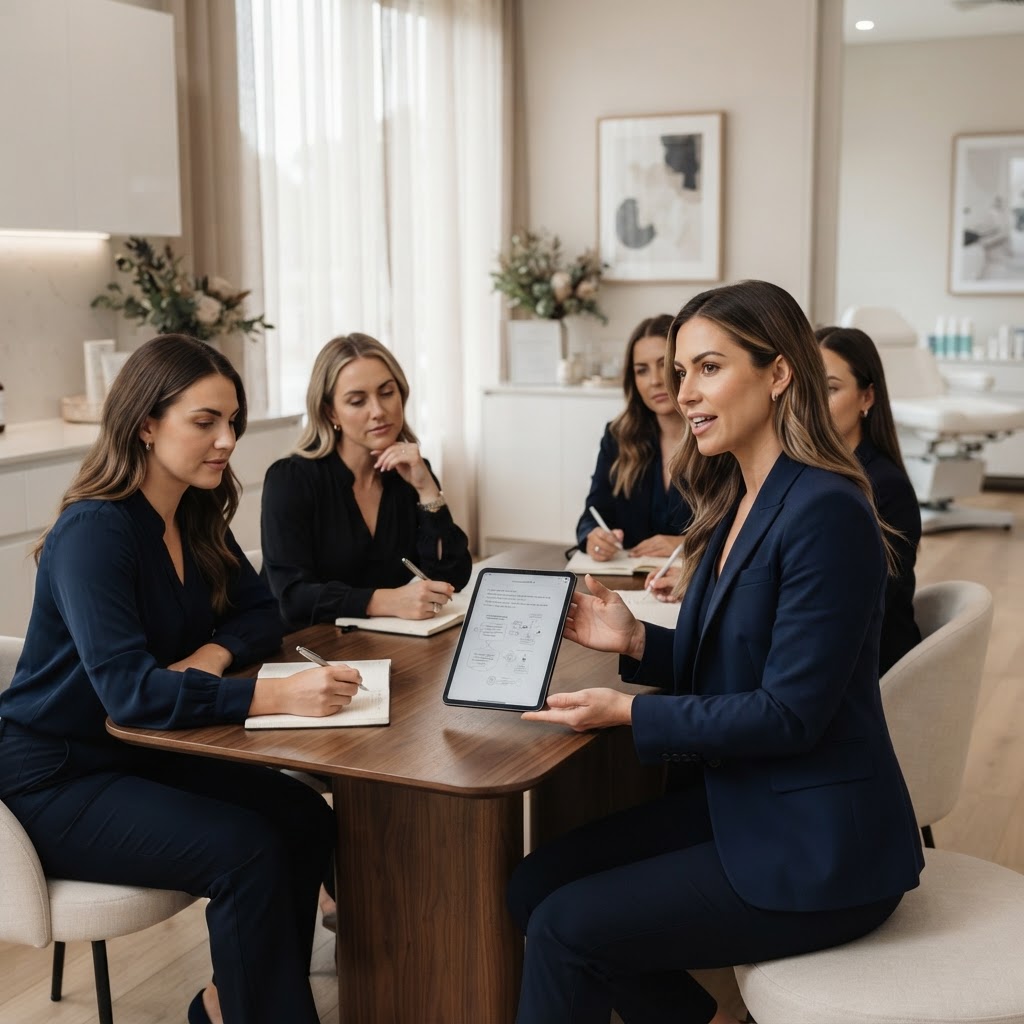
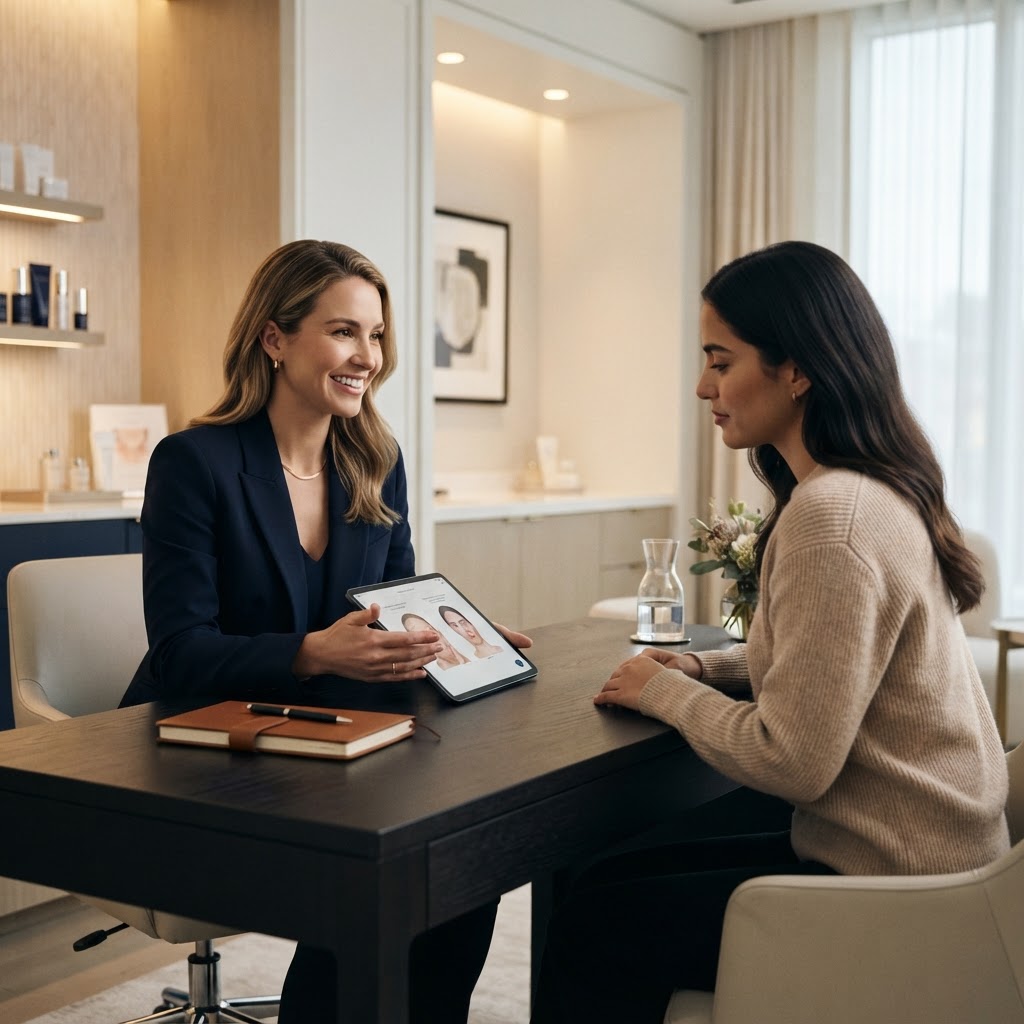
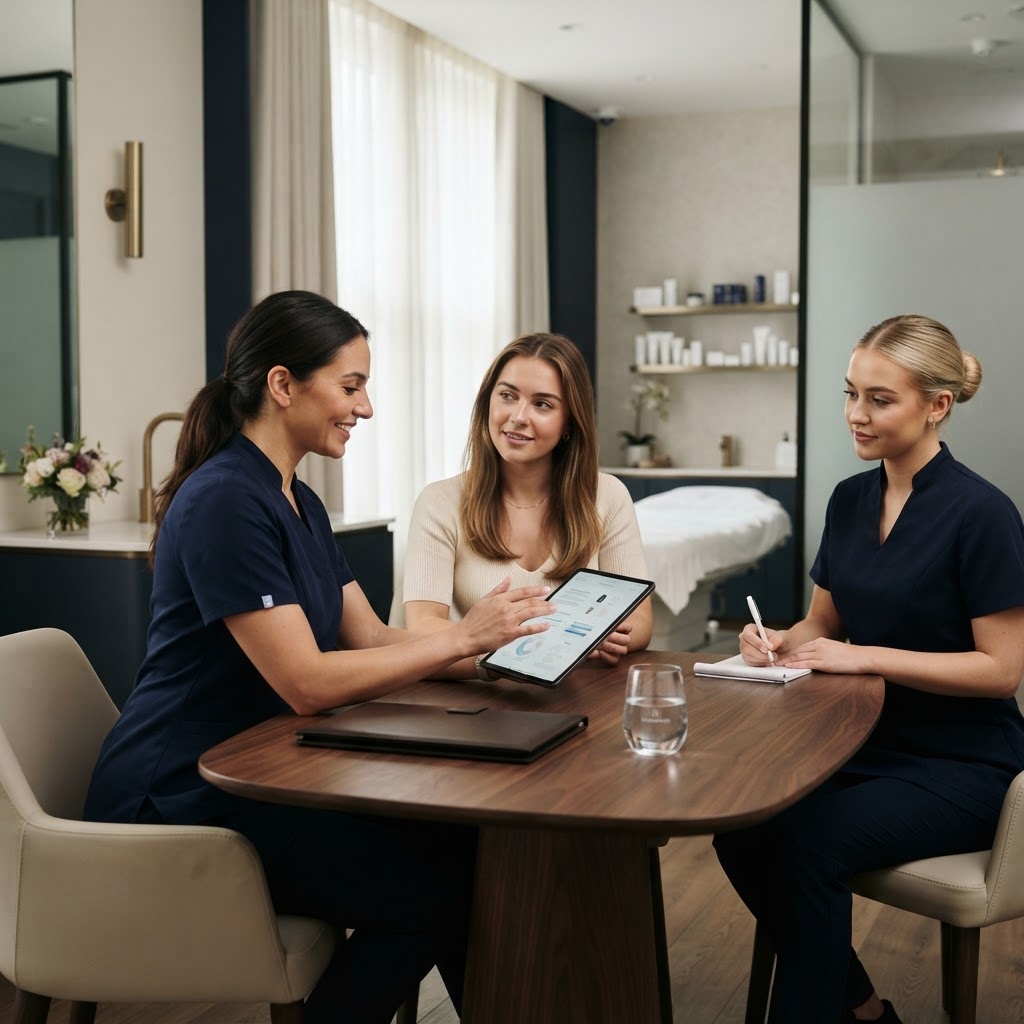
In a medspa, sales communication is not about pressure. It is about helping patients understand their options, feel confident in the process, and move forward with the right next step. When communication varies from person to person, practices often see missed opportunities, inconsistent consultations, and a patient experience that feels fragmented. A well trained medspa sales training team creates alignment across the front desk, coordinators, providers, and leadership.
If you want stronger communication systems that support both patient trust and practice growth, start with clear training standards, not improvised scripts. At the Aesthetic Sales Institute, and throughout our medspa growth resources, the focus is on ethical sales skills that fit the realities of aesthetic practices.
Why Sales Communication Training Matters
Aesthetic practices operate in a high trust environment. Patients are often making personal, appearance related decisions, and they need communication that feels informed, polished, and respectful. Even excellent clinical outcomes can be undermined by weak communication before or after the consultation.
Inconsistent communication creates friction
Without a shared process, one team member may sound warm and educational, while another sounds rushed or vague. That inconsistency can lead to dropped leads, low consultation conversion, poor treatment plan acceptance, and confusion about pricing or next steps.
Strong communication improves the full patient journey
When your team knows how to ask better questions, explain value clearly, and guide decisions without pressure, the patient experience becomes smoother. Better communication also helps the practice protect brand standards, support retention, and reduce reliance on individual personalities.
For leadership, training sales communication is one of the most practical ways to build a stronger medspa sales training team that performs consistently across every patient touchpoint.
Start With a Unified Communication Framework
Training works best when the team is not memorizing random phrases. They need a framework that tells them what good communication sounds like and when to use it.
Define the patient journey by stage
Map communication standards across key moments:
- Inquiry and lead response
- Appointment booking
- Consultation check in
- Discovery conversation
- Treatment recommendation
- Financial conversation
- Rebooking and follow up
At each stage, define the objective. For example, the goal of a lead response is not to explain every treatment detail. It is to create trust, answer initial questions, and confidently move the patient toward a consultation or appointment.
Standardize language without sounding robotic
Your team should have approved language for common scenarios, but not rigid scripts that remove personality. Think in terms of messaging pillars:
- How to welcome and build rapport
- How to ask discovery questions
- How to explain value
- How to discuss pricing with confidence
- How to recommend next steps clearly
For example, instead of saying, "That treatment costs $700," a stronger response may be, "That service starts at $700, and the right plan depends on your goals. The best next step is a consultation so we can recommend the most appropriate option for you."
This kind of language is more consultative, more polished, and more aligned with a premium brand.
Train the Consultative Conversation
The most effective sales communication in aesthetics feels educational and patient centered. It is not a monologue about services. It is a guided conversation.
Teach discovery before recommendation
Many teams jump too quickly into solutions. Train them to slow down and ask questions such as:
- What brought you in today?
- What concerns are most important to you?
- Have you had aesthetic treatments before?
- What kind of result are you hoping to achieve?
- Is there a timeline or event you are planning around?
These questions help the team understand motivation, readiness, and expectations. They also make recommendations more relevant and credible.
Practice how to explain value ethically
Patients do not only buy treatments. They buy confidence in the process, clarity in the plan, and trust in the recommendation. Train team members to communicate:
- Why a recommendation fits the patient goal
- What the treatment plan includes
- What the patient can expect from the process
- Why timing, sequencing, or maintenance may matter
Avoid language that feels pushy or absolute. Ethical communication sounds like, "Based on what you shared, this would be a strong option to discuss," not, "You need this today."
Prepare the team for financial conversations
Many medspa teams are comfortable talking about treatment outcomes, but uncomfortable talking about money. That hesitation shows. Train for calm, direct, professional language around pricing, packages, memberships, financing options if applicable, and next steps.
When the financial conversation is handled confidently, patients feel guided, not pressured.
Align Every Team Role Around One Patient Experience
Sales communication training should not be limited to the person closing the sale. Every role influences conversion.
Front desk and lead response teams
The front desk often creates the first impression. They need training on tone, responsiveness, call flow, objection handling, and appointment setting. A strong opener, a few discovery questions, and a clear invitation to book can make a significant difference.
Coordinators and consultants
These team members need deeper skill in rapport building, consultation flow, treatment plan communication, and handling hesitation. They should know how to move from need discovery to education to recommendation without sounding transactional.
Providers and clinical team members
Providers do not need to become salespeople, but they do need communication consistency. If the provider explains recommendations in one way and the coordinator presents them another way, confidence drops. Clinical and nonclinical teams should share the same language standards for expectations, options, and follow up.
When every role communicates with the same philosophy, the practice feels seamless. That alignment is a defining characteristic of a high performing medspa sales training team.
Reinforce Skills With Coaching and Measurement
A single training session rarely changes behavior. Communication improves through repetition, feedback, and accountability.
Use role play regularly
Role play is one of the fastest ways to improve confidence and consistency. Keep it realistic and role specific. Practice scenarios such as:
- A new patient asking only for price
- A hesitant patient who says they want to think about it
- A returning patient curious about combination treatment planning
- A caller comparing your practice to a lower priced competitor
Role play should focus on language, tone, listening, and transitions, not just the final outcome.
Review calls and consultations
If possible, audit phone calls, inquiry responses, and consultation notes. Look for patterns:
- Are team members asking enough discovery questions?
- Are they rushing to quote prices?
- Are they clearly inviting the next step?
- Are they communicating value in a way that fits the brand?
A simple scorecard can help managers coach more objectively.
Track a few key performance indicators
Training should connect to measurable behaviors and outcomes, such as:
- Lead to consultation booking rate
- Consultation show rate
- Consultation conversion rate
- Average treatment plan acceptance
- Rebooking rate
Use data to identify where communication needs improvement, then train to that gap.
Practical Examples of Better Medspa Sales Communication
Here are a few examples of how communication can shift from reactive to consultative.
Example 1: Price inquiry on the phone
Weak: "Botox is $13 a unit. Do you want to book?"
Stronger: "Our pricing starts at $13 a unit. The exact plan depends on your goals and facial assessment. We would love to get you scheduled for a consultation so we can recommend the best approach for you."
Example 2: Patient hesitation during consultation
Weak: "What is stopping you from buying today?"
Stronger: "I understand. What questions would help you feel more confident about the plan?"
Example 3: Recommending a treatment plan
Weak: "You need these three treatments."
Stronger: "Based on your goals, a staged plan could be the most effective approach. We can start with your top priority today, then map out the next steps in a way that feels comfortable for you."
These examples preserve professionalism while keeping the patient at the center of the conversation.
Common Mistakes to Avoid
Even experienced teams can fall into patterns that weaken communication. Watch for these common issues:
- Talking too much and listening too little
- Quoting prices before understanding patient goals
- Using inconsistent language across team roles
- Overexplaining clinical details instead of focusing on patient concerns
- Sounding apologetic when discussing pricing
- Failing to clearly ask for the next step
- Treating training as a one time event instead of an ongoing process
The goal is not to make your team sound scripted. The goal is to make them sound prepared.
Action Steps for Leaders
If you want to improve communication quickly, start with a focused implementation plan:
- Audit your current patient journey and identify where communication breaks down.
- Build message standards for inquiry calls, consultations, treatment plan presentation, and follow up.
- Train each role on the language that fits their part of the patient experience.
- Schedule weekly role play and monthly call or consultation review.
- Use a simple scorecard to coach for consistency.
- Track conversion metrics so training is connected to real performance.
- Revisit and refine your process as the practice grows.
This approach helps turn sales communication into a repeatable system, not an individual talent.
Build a More Confident Team
A polished patient experience does not happen by accident. It is built through clear expectations, practical coaching, and communication standards that reflect the level of care your brand promises. If you are ready to strengthen your medspa sales training team with a more professional, ethical approach, now is the time to put a real training system in place.
To stay ahead of the launch, join the Aesthetic Sales Institute prelaunch list and get 20% off at launch. You can also explore more insights on the blog for strategies that support sustainable medspa growth.