How to Turn Aesthetic Consultations Into Treatment Plans
A strong aesthetic consultation should lead to clarity, not confusion. Learn how to turn discovery conversations into ethical, personalized treatment plans that patients can confidently understand and consider.

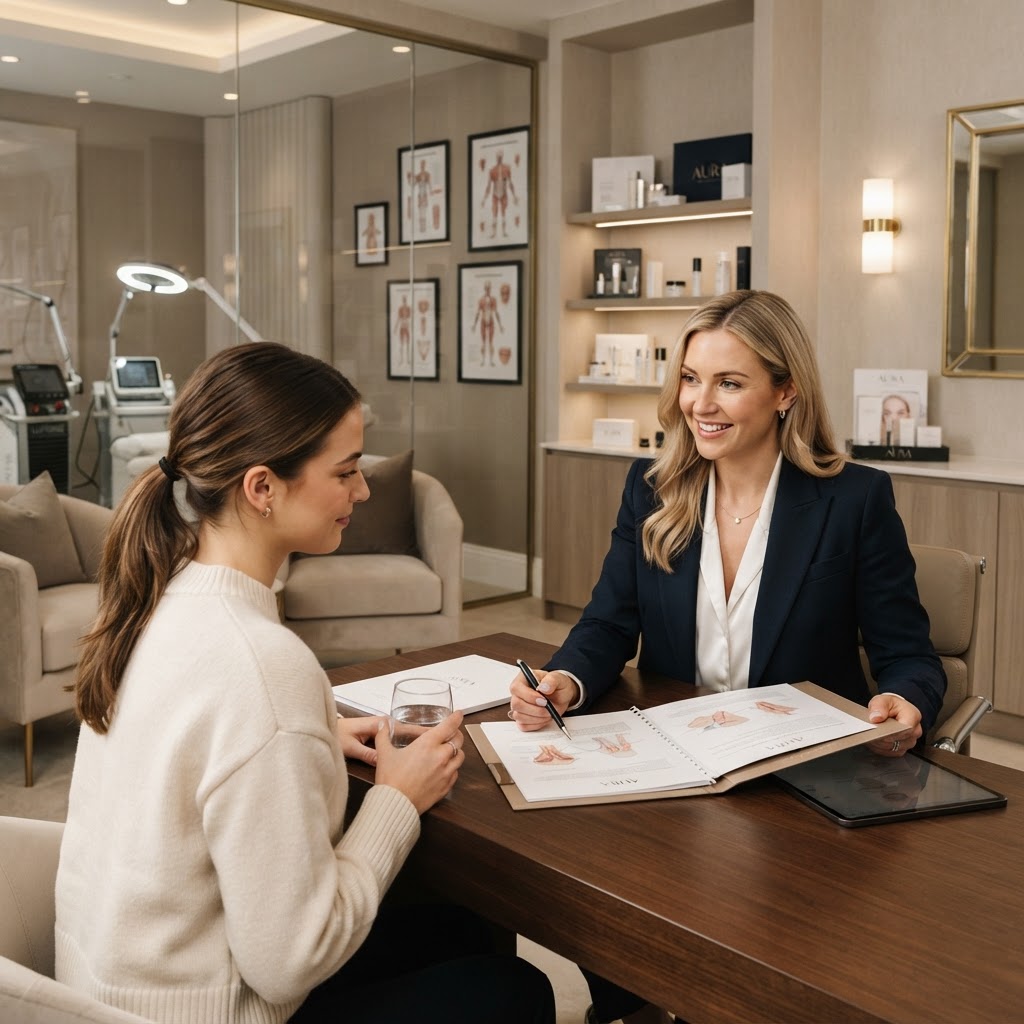
A successful aesthetic consultation is not just a conversation about services. It is the moment when patient goals, clinical recommendations, pricing, timing, and trust come together. When teams know how to move from consultation to treatment plan, they create a more organized patient experience and a more consistent business process.
In many medspas, consultations feel warm and informative, but the next step is unclear. Patients leave with scattered ideas, a verbal list of options, or too much information to process. A well-structured treatment plan solves that problem. It translates the consultation into a clear path forward, while respecting the patient’s goals, budget, and readiness.
For teams focused on excellence, mastering the transition from consultation to treatment plan is a communication skill, not a pressure tactic. It supports better decision-making, stronger follow-up, and a more premium patient experience. For more educational resources, visit the Aesthetic Sales Institute homepage or explore additional medspa sales insights on the blog.
Why This Topic Matters
When a consultation ends without a defined treatment plan, several problems can follow. Patients may feel uncertain about what they actually need, staff may struggle to follow up effectively, and providers may see lower treatment acceptance because the recommendation was never fully organized.
A thoughtful treatment plan matters because it helps teams:
- Create clarity around the recommended path
- Connect patient goals to appropriate services
- Set realistic expectations about timeline and sequencing
- Improve consistency across providers and coordinators
- Support ethical sales conversations with less confusion
In premium aesthetic environments, clarity is part of the luxury experience. Patients do not just want options. They want professional guidance. A treatment plan gives structure to that guidance without making the interaction feel scripted or transactional.
Start With Goals, Not Treatments
One of the most important steps in moving from consultation to treatment plan is starting with the patient’s desired outcome. Many teams move too quickly into service menus, device names, or pricing. That approach can overwhelm the patient and make the consultation feel provider-centered instead of patient-centered.
Ask Outcome-Based Questions
Strong consultations begin with questions like:
- What would you most like to improve?
- What concerns you when you look in the mirror or at photos?
- What result would make this feel worthwhile for you?
- Are you preparing for an event, or thinking about long-term maintenance?
These questions help uncover motivation, urgency, and expectations. They also allow the provider or coordinator to build a plan that feels relevant, not generic.
Identify Priority Levels
Not every concern needs to be treated at once. A patient may mention fine lines, laxity, pigmentation, and volume loss, but that does not mean the treatment plan should present every possible service in one conversation. Instead, categorize concerns into:
- Immediate priorities
- Secondary opportunities
- Long-term maintenance goals
This gives the patient a sense of progression and prevents overload.
Build a Treatment Plan With Clear Structure
Once goals are clear, the next step is organizing recommendations into a format the patient can understand. The best treatment plans are simple, strategic, and easy to explain.
Include the Core Elements
A strong treatment plan should clearly outline:
- The patient’s primary goals
- The recommended treatments
- The suggested sequence of care
- Approximate timing between treatments
- Relevant investment ranges
- Any maintenance considerations
This does not need to feel overly formal, but it should be clear enough that the patient can revisit it after the appointment and still understand the recommendation.
Present Options Without Creating Confusion
Patients appreciate choice, but too many choices can reduce confidence. Instead of listing every possible service, present a tiered framework when appropriate:
- Best-fit plan: the most aligned recommendation based on goals
- Alternative plan: a more conservative or phased option
- Maintenance plan: what ongoing care may look like over time
This approach keeps the conversation collaborative while still demonstrating expertise.
Sequence the Plan Thoughtfully
Aesthetic treatment plans should not feel like a shopping list. They should feel like a strategy. For example, if a patient is interested in skin quality and facial rejuvenation, the team might explain what should happen first, what can be layered later, and what results may require maintenance.
That sequencing builds confidence because it shows that the recommendation is intentional.
Communicate Value Ethically and Professionally
A treatment plan is only effective if the patient understands why it makes sense for them. This is where treatment plan communication becomes essential.
Link Recommendations to Stated Goals
Instead of saying, "You need these three services," say, "Based on your goal of improving skin texture and brightening uneven tone, this plan is designed to address those concerns in a staged way."
This subtle difference matters. It centers the patient’s goals rather than the practice’s offerings.
Be Transparent About Investment
Price avoidance often creates more discomfort than price transparency. Ethical communication means discussing investment calmly, confidently, and without apology. Patients should understand:
- What is included
- Whether multiple sessions may be recommended
- What is optional versus essential within the plan
- What maintenance may involve
This helps patients make informed decisions and reduces hesitation caused by uncertainty.
Respect Readiness
Not every patient is ready to start the full plan immediately. Some may need time, budgeting, or additional education. A premium sales process respects that reality. The goal is not to force urgency. The goal is to create enough clarity that the patient can move forward when they are ready.
For more strategies on refining this skill across your team, review the latest consultation and sales training articles.
Use Practical Examples to Guide the Conversation
Examples make training more actionable. Here are a few ways a consultation to treatment plan transition can sound in practice.
Example 1: The Overwhelmed New Patient
A new patient shares concerns about dullness, fine lines, and under-eye appearance. Instead of presenting six treatments at once, the coordinator says:
"You mentioned wanting to look more refreshed without feeling overdone. Based on that, we would suggest starting with a skin-focused plan first, then reassessing whether you want to address the under-eye area later. That gives you a clear first step and keeps the process manageable."
This reduces overwhelm and frames the plan around simplicity.
Example 2: The Budget-Conscious Patient
A patient is interested in several improvements but mentions wanting to be thoughtful with spending. A strong response could be:
"We can absolutely prioritize. If your main goal is improving texture and brightness, we can begin with the highest-impact first phase, then map out additional options for later if you decide to continue."
This preserves trust while keeping the door open.
Example 3: The Event-Driven Patient
A patient has an upcoming wedding or milestone event. The consultation should focus on timing and sequencing:
"Since your event is in three months, we want to recommend options that fit that timeline and avoid introducing too many variables. We can focus on what is most appropriate for your goals within that window, then discuss maintenance after the event."
This shows professionalism and planning.
Common Mistakes That Weaken Treatment Plan Acceptance
Even experienced teams can miss opportunities when the consultation is not structured well. Common mistakes include:
Giving Too Much Information
Patients do not need a full education on every device, injectable category, or protocol variation. They need a clear recommendation connected to their goals.
Listing Services Instead of Building a Plan
A menu is not a treatment plan. When teams simply mention several treatments without explaining sequence or rationale, patients often leave unsure of what to do next.
Avoiding Financial Conversations
When pricing is rushed, vague, or delayed, patients may assume the process is less transparent than it actually is. Clear investment communication supports confidence.
Failing to Confirm Understanding
Before the consultation ends, the patient should be able to explain the plan back in simple terms. If they cannot, more clarification is needed.
Not Defining the Next Step
The consultation should end with a specific next action, whether that is booking treatment, scheduling a follow-up, reviewing financing options, or sending a written plan.
Action Steps for Medspa Teams
To improve your consultation to treatment plan process, start with these practical steps:
Standardize Your Framework
Create a shared consultation structure for providers, coordinators, and patient-facing staff. This improves consistency without removing personalization.
Use a Written Treatment Plan Template
A simple, branded format can help patients remember recommendations and gives staff a reliable tool for follow-up.
Train for Language, Not Scripts Alone
Teams should understand how to explain value, prioritize concerns, and respond to hesitation naturally. Strong communication sounds confident, not rehearsed.
Role-Play Common Scenarios
Practice consults with new patients, budget concerns, event timelines, and hesitant decision-makers. Role-play helps teams become more adaptable and polished.
Measure the Right Metrics
Track consultation outcomes such as treatment acceptance rate, follow-up conversion, average treatment plan value, and patient satisfaction feedback. These metrics reveal whether communication is truly improving.
Final Thoughts
Turning an aesthetic consultation into a treatment plan is one of the most valuable skills a medspa team can develop. It brings structure to the patient experience, creates greater confidence in recommendations, and supports ethical growth through better communication.
When teams move beyond casual consultation conversations and begin presenting thoughtful, personalized treatment plans, patients are more likely to understand their options and feel supported in their decisions. That is what premium consultation strategy looks like.
If you want to strengthen your team’s consultation performance, join the Aesthetic Sales Institute prelaunch list and get 20% off at launch. It is the best way to stay informed about advanced training designed for aesthetic sales professionals and medspa teams.