How to Talk About Treatment Packages in a Medspa
Learn how to present medspa treatment packages with clarity, ethics, and confidence. This guide helps medspa teams connect recommendations to patient goals without pressure.

Talking about treatment packages in a medspa can feel delicate. On one hand, patients want clarity, value, and a plan they can understand. On the other, no one wants to feel pushed into a larger purchase before they feel ready. The most effective approach is not aggressive selling. It is thoughtful communication that connects a treatment recommendation to the patient's goals, timeline, and budget. When presented well, medspa treatment packages can create a better patient experience, improve follow through, and support stronger long term relationships.
Why This Topic Matters
Treatment packages are common in aesthetics because many services work best as part of a series or a structured plan. Skin treatments, body treatments, laser services, and wellness related offerings often involve multiple visits for continuity, progress tracking, and better planning. But the way a package is presented matters just as much as the package itself.
If a coordinator, provider, or sales professional introduces a package too early, too vaguely, or too transactionally, the patient may become skeptical. If the team avoids the conversation entirely, the patient may leave without understanding the full plan or the value of committing to a sequence of treatments.
This is why communication training is essential. Strong package conversations help medspas increase consistency, improve patient confidence, and support ethical revenue growth. For more guidance on consultation strategy, explore the Aesthetic Sales Institute and browse additional medspa sales resources on our blog.
Start With the Patient's Desired Outcome
The best package conversations begin with the outcome, not the offer. Patients are usually not looking for "three sessions" or "a six month package." They are looking for clearer skin, better texture, improved confidence, or a realistic plan for maintenance.
Ask before you explain
Before discussing price or package structure, make sure the patient feels heard. Use questions that uncover both motivation and expectations:
- What would you most like to improve first?
- Do you have a timeline in mind?
- Have you tried anything similar before?
- Are you looking for a one time refresh or a longer term plan?
These questions give context. They also help your team avoid recommending a package that feels generic.
Position the plan, then the package
A package should be framed as the delivery structure for a treatment plan, not as a sales shortcut. Instead of saying, "We have a package for that," try, "Based on your goals, the most appropriate plan usually involves a series, and I can show you what that looks like."
This subtle shift changes the entire tone of the conversation. It tells the patient that the recommendation is based on fit, not pressure.
Explain Why a Series May Be Appropriate
Patients are more likely to accept a package when they understand the reasoning behind it. Your role is to help them see the logic, sequence, and expected commitment level in plain language.
Focus on treatment design
Avoid relying on vague phrases like "you need a package" or "most people do this." Instead, explain the structure clearly:
- Why multiple sessions are commonly recommended
- How spacing between visits supports the plan
- What the team will assess along the way
- When maintenance may become relevant
This is especially important in aesthetic treatment plans where progress can be gradual. Patients appreciate transparency when they know that results may build over time and that every person responds differently.
Use visual and verbal clarity
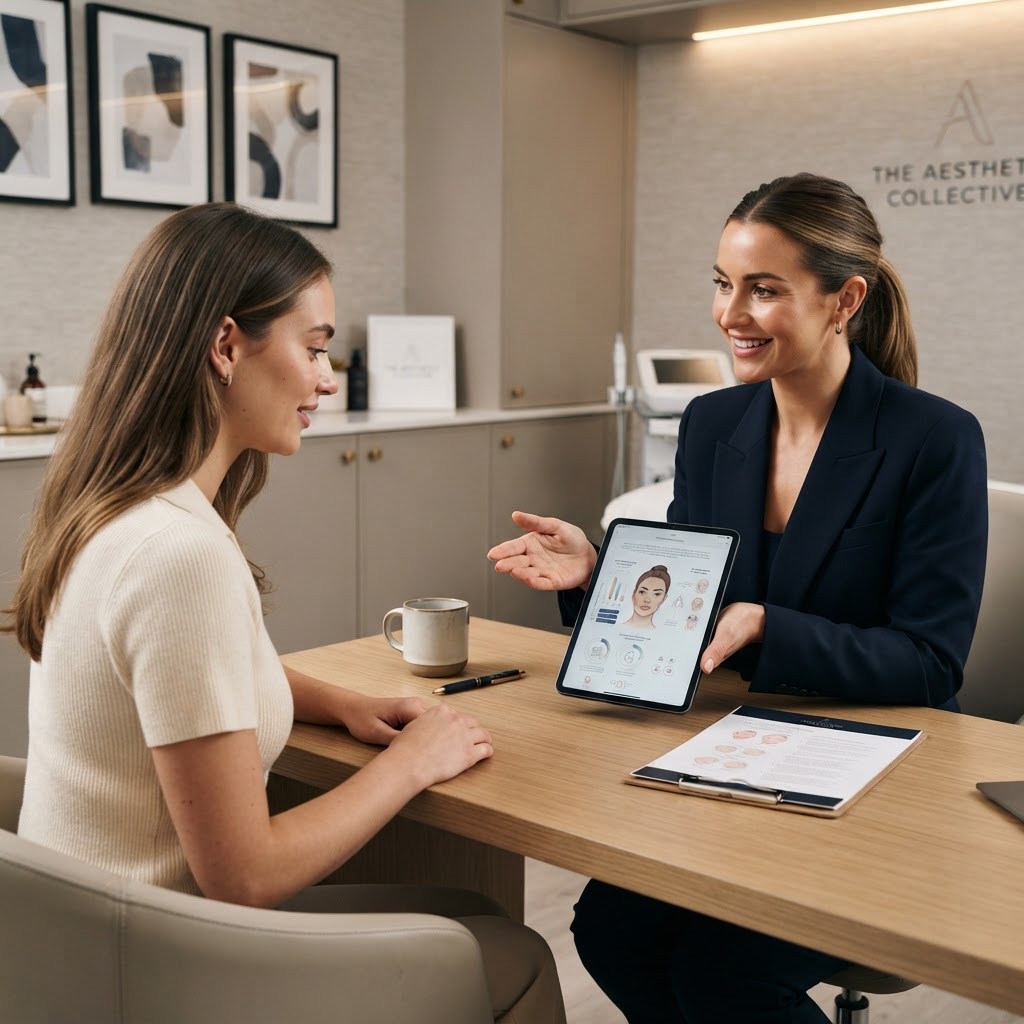
Many medspas improve package acceptance by showing the patient a written roadmap. This can be as simple as:
- Starting point
- Recommended number of sessions
- Visit frequency
- Reassessment checkpoint
- Possible maintenance phase
When patients can see the path, the package feels more grounded and less abstract.
Present Value Without Sounding Promotional
One of the biggest mistakes in presenting medspa treatment packages is overemphasizing the discount. Savings can matter, but value is broader than price alone.
Define value in professional terms
A premium medspa experience should communicate value through:
- Treatment continuity
- Better scheduling consistency
- Clearer progress tracking
- Alignment with the provider's recommendation
- Financial predictability for the patient
You can certainly mention package pricing, but it should support the plan, not overshadow it.
Sample language
Here is a more polished way to present a package:
"Because this treatment is usually performed as a series, many patients prefer a package. It helps us map out the full plan, keep your visits on schedule, and often offers better overall pricing than booking individually. If you'd like, I can walk you through both options so you can decide what feels right."
This language is calm, informative, and respectful. It gives the patient control while still guiding the conversation.
Offer Options, Not Pressure
Ethical package presentation means creating clarity without making the patient feel cornered. Some patients are ready to commit on the same day. Others need time, financing information, or a smaller first step.
Use a tiered approach
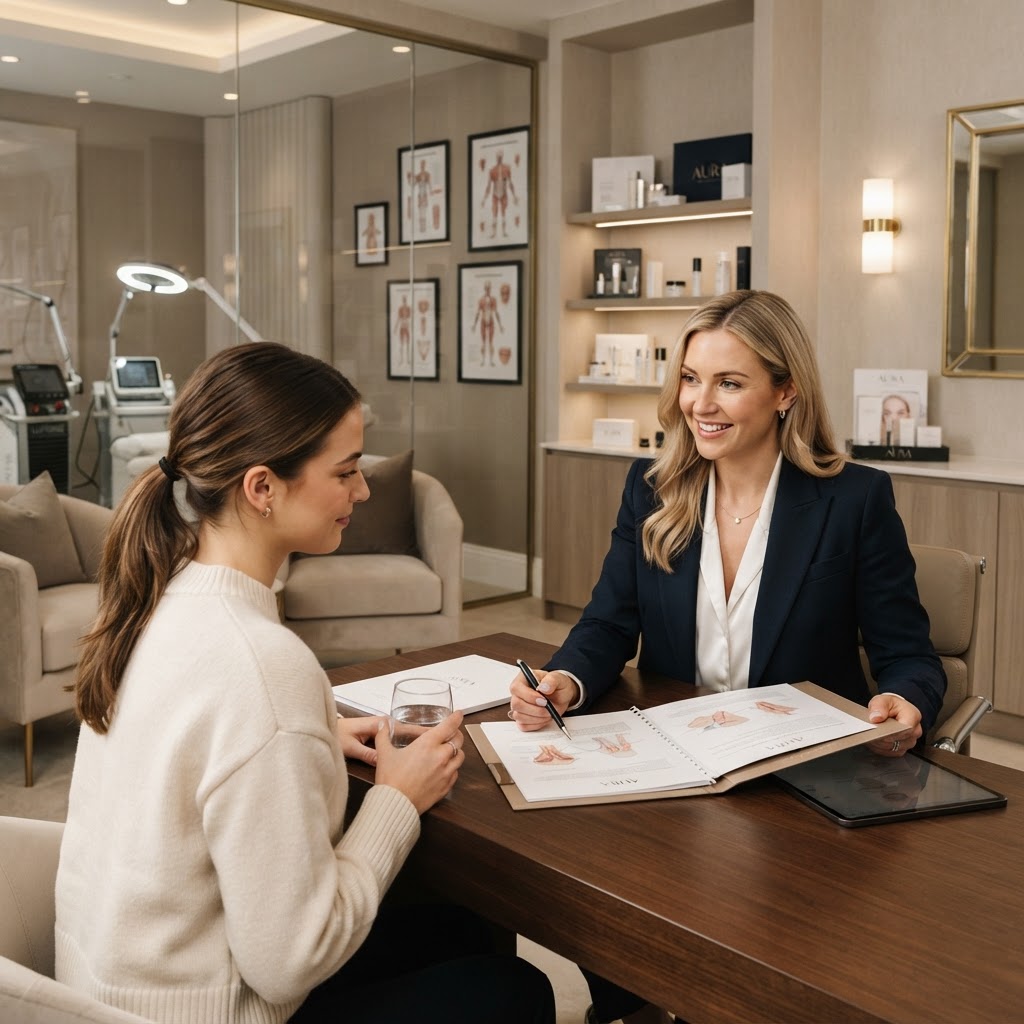
A helpful consultation strategy is to present two or three reasonable pathways:
- Single treatment option
- Recommended series or package
- Maintenance or long term plan, if relevant
This gives the patient a sense of choice while still centering the provider's recommendation. The goal is not to dilute the plan. The goal is to make the decision easier to process.
Protect trust at every stage
If a patient hesitates, do not rush to fill the silence with more selling. Instead, ask what part they would like clarified. Common concerns include timing, total investment, treatment intensity, and uncertainty about commitment.
A strong aesthetic sales professional understands that hesitation is often a request for reassurance, not a rejection.
Align the Entire Team on Package Language
In many medspas, package conversations break down because every team member describes them differently. The provider may recommend a series one way, the coordinator may explain payment differently, and the front desk may use inconsistent terminology.
Standardize key talking points
Your team should be aligned on:
- What each package includes
- Who the package is best suited for
- How to explain pricing clearly
- How expiration, scheduling, or policy details are shared
- What phrases support an ethical, premium tone
Consistency builds confidence. It also reduces confusion that can cost conversions and weaken the patient experience.
For teams looking to refine communication across the consultation journey, the training resources available here can support stronger, more consistent conversations.
Practical Examples of Better Package Conversations
Example 1: Skin series consultation
Less effective:
"You should buy the package because it's cheaper."
Better:
"Based on your concerns around texture and post acne marking, the provider is recommending a series rather than a single session. That gives us the chance to treat in a more structured way and reassess your progress as we go. We can book individually, or I can show you the package option that supports the full plan."
Example 2: Budget sensitive patient
Less effective:
"If you do not buy today, you will miss the deal."
Better:
"I want this to feel comfortable and clear. If the full package is more than you want to commit to today, we can look at the recommended plan in stages and discuss what makes the most sense for your timeline and budget."
Example 3: Maintenance conversation
Less effective:
"You will need this forever."
Better:
"After the initial series, many patients choose a maintenance rhythm based on their goals and how their skin responds. We can revisit that after we see how you progress."
Common Mistakes to Avoid
Even experienced teams can undermine package conversations through habits that feel small but have a major impact.
Mistake 1: Leading with price before purpose
When pricing comes before the treatment rationale, the package can feel like a promotion instead of a plan.
Mistake 2: Using one script for every patient
Packages should never sound canned. The language should reflect the individual's goals and concerns.
Mistake 3: Overpromising outcomes
Stay professional and measured. Explain the plan without making guarantees.
Mistake 4: Skipping logistics
If a patient buys a package but does not understand scheduling, expiration terms, or what happens if plans change, trust can erode quickly.
Mistake 5: Confusing education with pressure
A strong consultation is informative, not forceful. Patients should feel guided, not managed.
Action Steps for Medspa Teams
If you want better package conversations, start with simple operational improvements:
1. Audit your current language
Listen to how providers, coordinators, and front desk team members currently explain treatment packages. Look for inconsistency, vague wording, or overly sales driven language.
2. Create a package presentation framework
Build a repeatable structure:
- Patient goal
- Provider recommendation
- Reason a series may be appropriate
- Package inclusions
- Pricing and payment options
- Next step
3. Practice objection handling ethically
Role play common concerns such as price hesitation, fear of commitment, and timing issues. Train your team to slow down, clarify, and support decision making.
4. Use written treatment plans
A printed or digital roadmap improves understanding and elevates professionalism.
5. Measure conversion with context
Do not just track package sales. Also review consultation quality, patient satisfaction, and rebooking patterns. Sustainable growth comes from trust.
Final Thoughts
The conversation around medspa treatment packages should never feel like a hard sell. At its best, it is a clear, confident explanation of how a thoughtful treatment plan supports the patient's goals. When teams lead with education, align their messaging, and present options with integrity, package conversations become more comfortable for everyone involved.
If you want to strengthen consultation skills, improve treatment plan communication, and build a more polished aesthetic sales process, join the Aesthetic Sales Institute prelaunch list. Sign up now to get 20% off at launch and be the first to access premium training built for modern medspa teams.