How to Present Long-Term Treatment Plans
Learn how to present long-term treatment plans in a way that builds trust, supports patient decision-making, and strengthens consultation outcomes in aesthetic practices.
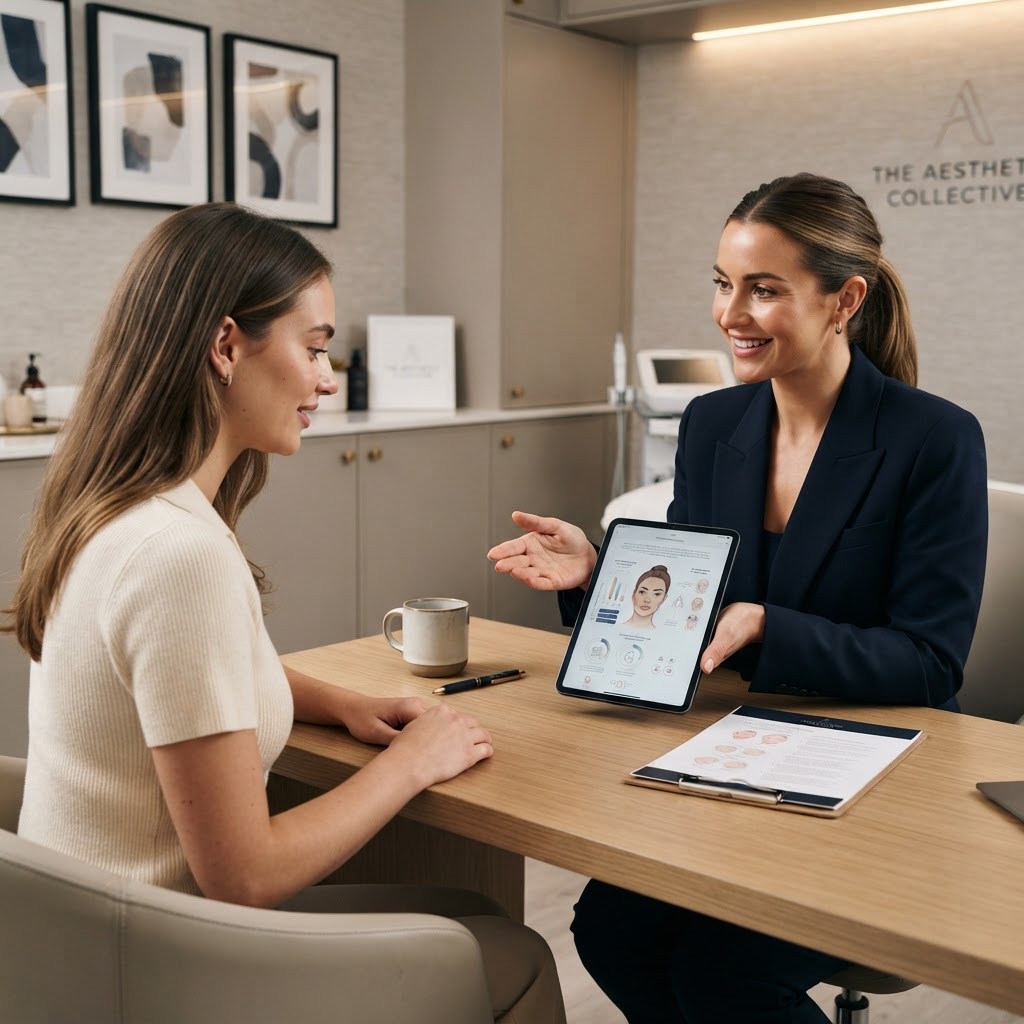
In aesthetic consultations, the most effective recommendations rarely live in a single appointment. Many patients are not looking for just one treatment, they are looking for a thoughtful path forward. That is why presenting long-term treatment plans well is such an important communication skill for medspa teams, patient coordinators, and aesthetic sales professionals.
A strong plan helps patients understand what is possible over time, how different services may work together, and what to prioritize based on goals, timing, and budget. Just as importantly, it helps the practice communicate with consistency, professionalism, and ethics. When done correctly, a long-term plan does not pressure the patient. It provides structure, clarity, and confidence.
If your team is working to improve consultation outcomes, patient trust, and plan acceptance, developing this skill is essential. You can explore more training resources on the Aesthetic Sales Institute homepage or browse additional insights on the blog.
Why Presenting Long-Term Treatment Plans Matters
In medical aesthetics, patients often arrive with a specific concern, but their ideal outcome may require multiple steps. A patient may ask about skin texture, but also benefit from a plan that addresses pigment, collagen support, and maintenance. Another may inquire about one injectable treatment, while the broader strategy may involve staging care across several visits.
Without a clear framework, patients can feel overwhelmed, confused, or unsure about where to begin. They may leave with fragmented information rather than a confident next step. Long-term treatment plans solve that problem by turning a collection of possible services into an organized journey.
This matters for several reasons:
- It improves understanding of realistic sequencing and timing.
- It supports more transparent financial conversations.
- It reduces decision fatigue by creating priorities.
- It reinforces trust through professional guidance.
- It helps practices deliver a more consistent consultation experience.
For aesthetic sales teams, the goal is not to sell the largest plan possible. The goal is to communicate the most appropriate plan clearly, ethically, and in a way the patient can actually process.
Start With the Patient's Desired Outcome
Before presenting any plan, anchor the conversation in the patient's motivations. Long-term recommendations are much easier to understand when they are connected to a stated goal.
Ask Outcome-Based Questions
Move beyond, "What treatment are you interested in?" Instead, ask questions such as:
- What would you most like to improve over the next six to twelve months?
- What feels most important to address first?
- Do you have a specific event, timeline, or budget in mind?
- Are you looking for a refresh, correction, or ongoing maintenance approach?
These questions create the foundation for a plan that feels personalized rather than scripted.
Reflect Back What You Heard
Once the patient shares their goals, summarize them in clear language. For example:
"You want to improve skin brightness, soften textural concerns, and create a plan that feels manageable over time. Your priority is starting with the most visible concern first, then building toward maintenance."
This simple step makes the patient feel heard and prepares them to receive a larger strategy.
Organize the Plan Into Clear Phases
One of the best ways to present long-term treatment plans is to break them into stages. Patients usually respond better to phased recommendations than to one long list of services.
Use a Simple Planning Framework
A practical consultation framework often includes:
- Priority phase: What should happen first based on the patient's main concern.
- Optimization phase: What treatments may build on the initial results.
- Maintenance phase: What helps preserve outcomes over time.
This structure makes the plan easier to absorb and easier to discuss financially.
Keep the Language Easy to Follow
Avoid overwhelming the patient with too much technical detail. Instead of reciting every treatment feature, explain how each phase supports the overall goal.
For example:
- Phase one focuses on the concern that bothers you most right now.
- Phase two builds on that progress and supports a more complete result.
- Phase three is about protecting and maintaining what you have achieved.
This is especially valuable in medspa consultations, where patients may be hearing multiple new concepts for the first time.
Present Recommendations With Ethics and Transparency
A premium consultation experience should feel educational, not pushy. Patients should leave feeling guided, not managed.
Differentiate Between Ideal and Immediate
A common best practice is to present both the complete long-term vision and the best place to start now. This gives the patient options without diluting the expertise of the recommendation.
For example:
"If we look at your full goal over the next year, this would be the ideal sequence. If you prefer to start with the highest priority step today, this is where we would begin."
This language protects trust because it acknowledges reality. Not every patient is ready to commit to a full plan immediately.
Be Clear About Timing and Investment
Patients appreciate transparency. If treatments are spaced over several months, say so clearly. If the plan can be adjusted based on budget, explain that early.
Ethical communication includes:
- Clear sequencing n- Honest discussion of timeline
- Straightforward pricing language
- Room for questions and reflection
- No pressure to decide on every step immediately
When teams communicate this way, patients are more likely to view the plan as supportive and credible.
Use Visual and Verbal Simplicity
Even excellent recommendations can fall flat if they are presented in a confusing way. Simplicity is a sales skill and a patient communication skill.
Limit the Number of Core Talking Points
For each phase, focus on:
- What the treatment addresses
- Why it belongs in that stage
- What the patient should expect in terms of process
This keeps the discussion organized and easier to remember.
Put the Plan in Writing
Whenever possible, provide a written outline. A patient who can review the steps after the consultation is more likely to move forward with clarity. Written plans also improve follow-up conversations and reduce misunderstandings.
This is one reason many high-performing teams invest in standardized consultation tools and ongoing consultation training resources. A consistent format can improve both patient experience and team confidence.
Practical Examples for Medspa Consultations
Here are a few ways to communicate long-term treatment plans in a professional, patient-centered way.
Example 1: Skin Rejuvenation Consultation
"Based on your goals, I would think about this in three parts. First, we address the pigment concern that is most visible to you right now. Then we build with treatments that support texture and overall skin quality. After that, we create a maintenance rhythm to help preserve your progress over time. If you prefer, we can start with phase one today and map out the rest for later."
Example 2: Injectable Planning Conversation
"There is the immediate concern you mentioned, and then there is the broader result you want over the next several months. I want to show you both. The full plan gives us the long-term strategy, but we can absolutely prioritize the first step based on your comfort level and budget."
Example 3: Budget-Conscious Patient
"My role is to show you the ideal pathway and then help you decide what feels realistic. If doing everything at once is not the right fit, we can stage your plan so you still move toward your goal in a thoughtful way."
These examples work because they combine authority with flexibility.
Common Mistakes to Avoid
Even experienced teams can weaken a consultation by presenting the plan poorly. Watch for these common issues:
Giving Too Much Information at Once
Listing every possible service can create confusion. Curate the recommendation around the patient's stated goals.
Leading With Treatments Instead of Outcomes
Patients connect more easily to outcomes than to product or device names. Start with the result they want, then explain the path.
Making the Plan Feel All-or-Nothing
If the patient feels they must commit to everything now, resistance increases. Show the full roadmap, but allow for phased decision-making.
Sounding Scripted or Transactional
A premium consultation should feel human and tailored. Use frameworks, but personalize the delivery.
Avoiding the Financial Conversation
Unclear pricing creates hesitation. Clear, respectful investment conversations help patients make informed decisions.
Action Steps for Aesthetic Sales Professionals and Medspa Teams
If you want to improve how your team presents long-term treatment plans, start with these steps:
1. Standardize a Three-Phase Framework
Create a simple structure your team can use consistently: priority, optimization, maintenance.
2. Train for Outcome-Based Discovery
Practice asking questions that uncover goals, timing, and motivation before discussing treatments.
3. Build Written Plan Templates
Use polished, easy-to-read formats that summarize recommendations, sequence, and next steps.
4. Role-Play Ethical Presentation Language
Train coordinators and consultants to present both the ideal plan and the best starting point without pressure.
5. Improve Follow-Up Communication
After the consultation, revisit the long-term plan in a clear and supportive way. Many patients need time to think before moving forward.
Final Thoughts
Presenting long-term treatment plans is one of the most valuable communication skills in aesthetic sales. It helps patients understand the bigger picture, supports stronger decision-making, and elevates the consultation experience. When recommendations are personalized, phased, and delivered with transparency, they become easier for patients to trust and easier for teams to present.
For medspas and aesthetic professionals who want to grow with integrity, this is not just a sales technique. It is a core part of premium patient communication.
If you want to sharpen these skills before launch, join the Aesthetic Sales Institute prelaunch list and get 20% off at launch.